There is one kind of referral that no digital platform can generate. It is not the one LinkedIn suggests based on mutual connections. It is not a lead generated by CRM automation. It is the referral made by someone who puts their own name on the line — who calls a client, says “I know the right person for what you need,” and accepts responsibility for that recommendation. That is the rarest asset in the professional marketplace in 2026. And it is exactly what BNI was built to produce.
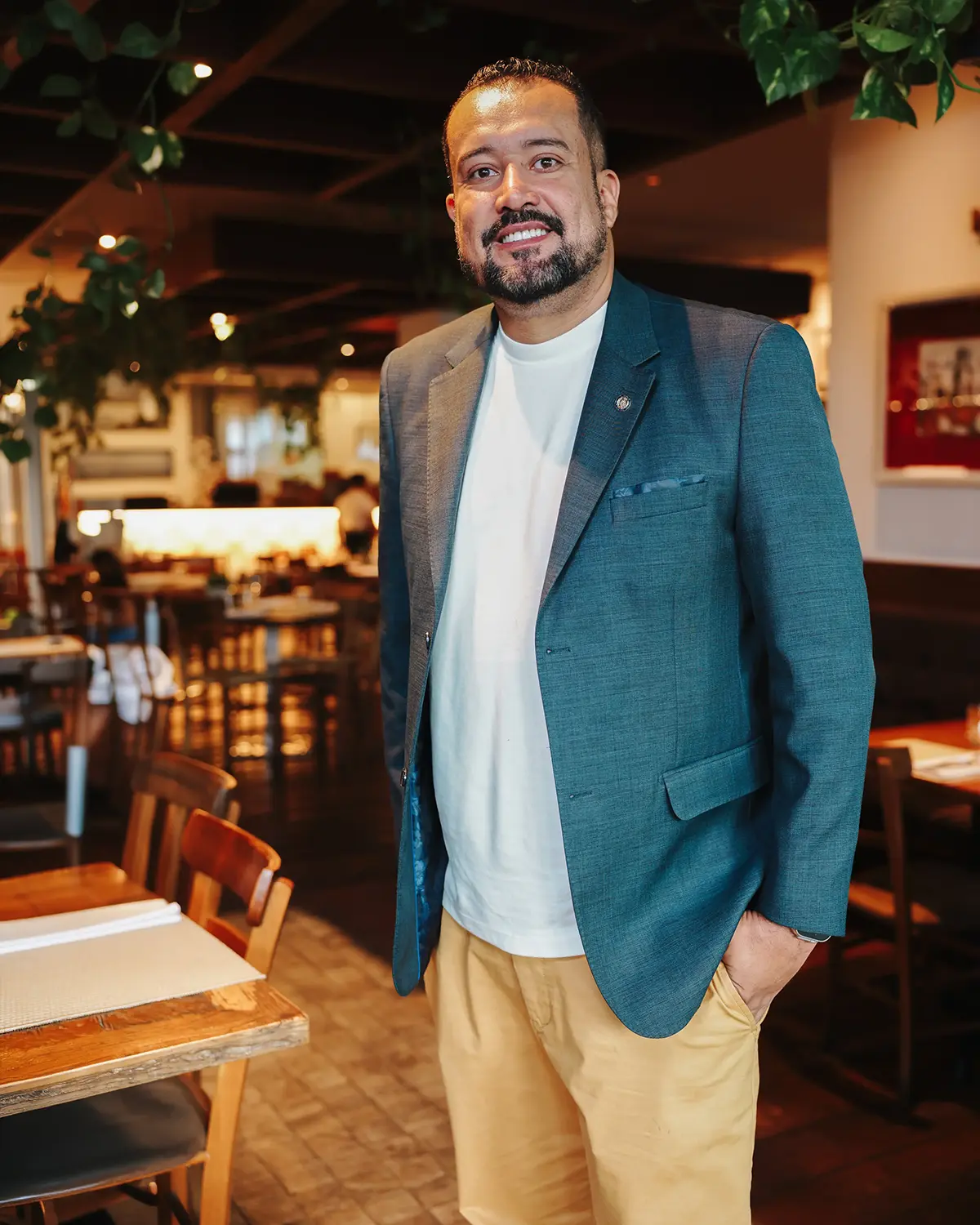
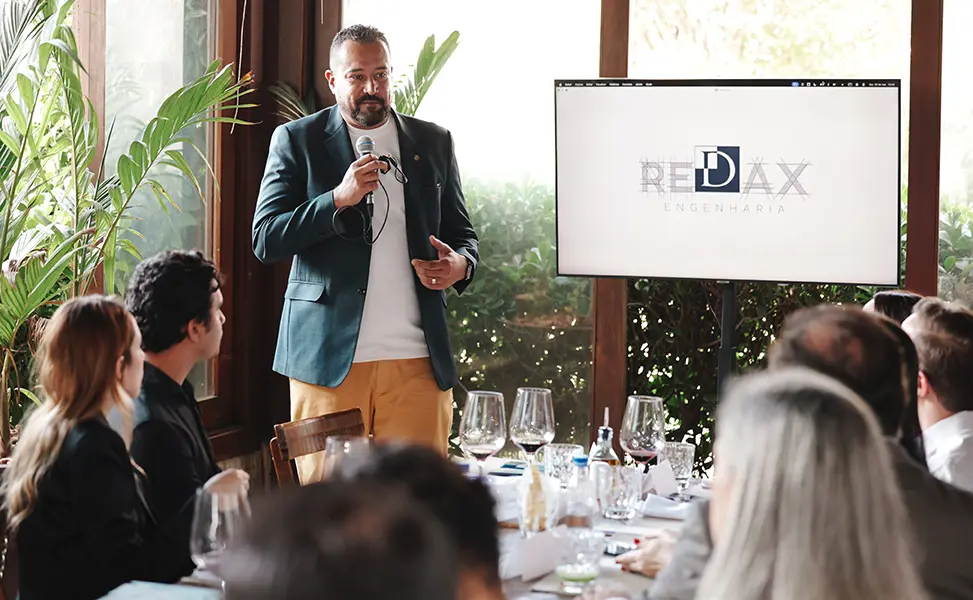
Felipe Xavier, CEO of REDAX Engenharia and a member of BNI CONECTUS Osasco, experiences this in practice. With eight years of work in the civil construction and infrastructure sector, he could list digital tools, prospecting platforms and marketing strategies. But when he talks about what truly moved his business forward, his answer is different.
A network that works because it has rules
BNI is not a networking event. That distinction matters. Events bring people together, exchange business cards and, at best, create promising conversations that rarely develop. BNI operates differently: chapters with permanent members, structured weekly meetings, a traceable referral system and a central philosophy — Givers Gain® — that turns helping others into a business strategy.
The logic seems simple, but it demands a discipline most informal networks cannot sustain. Every member represents an exclusive business category within their chapter. Each week, they present their work in 60 seconds, share the ideal client they are looking for and report the referrals they have generated for colleagues. The one-to-one conversation — a regular meeting between two members — is the heart of the methodology: it is where mutual knowledge deepens enough to generate qualified referrals, not merely friendly ones.
“When I refer someone in BNI, I am not simply passing on a contact. I am telling my client: this professional has my endorsement,” Felipe explains. “That completely changes the weight of the referral for both the recipient and the person making it.”
Numbers the methodology supports
The difference between a connection and a quality referral is measured in results. BNI Brazil data recorded through December 2025 reveal what happens when networking stops being an event and becomes a method: clients acquired through referrals have a retention rate 37% higher than those obtained through other channels, and their lifetime value is 25% higher than that of clients acquired in other ways. More than that, referrals convert up to four times more than any other marketing strategy.
A referral arrives with context. And context is what turns a contact into a conversation — and a conversation into a contract.
What technology accelerated — and what it revealed
Artificial intelligence has transformed the surface of networking. Algorithm-optimized profiles, personalized messages generated at scale and tools that identify the ideal moment to approach a contact — technology has made the first contact faster and easier than ever. The problem is that ease is not depth.
What grew with AI was the volume of connections. What did not grow was the trust behind them. Executives report inboxes saturated with approaches that appear personalized but feel empty. Networks expand without any substantive conversation taking place. Automation solved the problem of scale and created a new one: mass superficiality.
“AI builds connections. Human beings build trust. And in the end, every deal is closed with trust.”
Felipe Xavier, CEO of REDAX Engenharia
According to Salesforce’s State of Sales report, 83% of sales teams that incorporated AI into their routines reported revenue growth — but the gains came because technology took on operational tasks and freed professionals for relationships. Effective AI is AI that gives time back for what it cannot do itself.
In this context, the BNI model becomes not only relevant but strategically necessary. While digital platforms multiply contacts, BNI cultivates something scarcer: context.
Presence as a competitive advantage
Felipe Xavier uses digital tools — he researches companies before meetings, organizes his contacts and follows the construction market in real time. Technology is part of his routine. But it is at weekly BNI CONECTUS meetings, in one-to-one conversations and at network events that real business takes shape.
This combination — technology for efficiency, presence for conversion — is the model used by the most successful professionals in the BNI network, often without having to name it as such. Arriving at a meeting informed about a colleague’s business. Remembering the challenge they mentioned three weeks earlier. Making the right referral because you truly know the person being referred. These are gestures no algorithm can replace — because they require attention, memory and genuine intention.
In 2026, the market is beginning to name what great relationship-builders have always known: the ability to create real bonds, to read the moment in a conversation, to be present when it matters — this is the skill no technological advance has replicated. And the further AI advances, the more valuable this human differentiator becomes.
For those already in BNI, this is no revelation. It is why the network continues to grow — and generate business — while digital platforms come and go.
Technology connects. BNI builds.